


18 products






FAQs
Each tote variation solves a different problem for a different buyer. The BAGedge Canvas Promo Tote in 13 colors is built for volume and variety. The Woven Tote is USA-made with a premium texture that photographs as a fashion accessory rather than a utility bag. The Stonewash Cotton Tote has a lived-in, vintage aesthetic that appeals to indie and artisan brand buyers. The Cut & Sew All Over Print Tote lets your design wrap the entire bag surface, which is a completely different product category from a front-panel print tote. Start by deciding whether your buyer sees the tote as a fashion item, a utility item, or a canvas for your artwork, and that decision eliminates most of the options immediately.
The Gag Jigsaw Puzzles are designed around the joke gift market, where the humor comes from the reveal rather than the completed image. The two-printed-image format means the puzzle shows one image on the box and a different, unexpected image when assembled, which is the core of the gag. Buyers are typically shopping for birthday gifts, office white elephant exchanges, bachelorette party favors, or anyone in their life who appreciates absurdist humor. This is a high-shareability product because recipients often photograph and post the reveal, which means organic social reach is built into the product concept itself.
Foil printing is one of the few print techniques that genuinely cannot be replicated by a buyer at home or through a standard inkjet printer, which makes it feel premium in a way that full-color digital printing does not. The Foil Cards target occasions where the card itself is part of the gift, such as weddings, milestone birthdays, holiday greetings, and luxury brand thank-you notes. A seller positioning foil cards as “the card that matches the gift” rather than an afterthought captures a buyer who is already spending on a premium experience and wants every element to reflect that. The gold and silver options also make seasonal targeting straightforward, gold for warmth and celebration, silver for elegance and winter occasions.
Significantly. Snap Cases attract buyers who prioritize aesthetics over protection, typically people who want to show off the design and treat their phone as a fashion accessory. Tough Cases attract buyers who have dropped a phone before and are not willing to compromise on protection, typically parents, outdoor workers, and anyone with an active lifestyle. The design that works on a snap case, which is often delicate, illustrative, or fashion-forward, may look completely different from what sells on a tough case, which tends toward bold, graphic, and high-contrast artwork that reads clearly through a thicker profile. Listing the same design on both case types with different positioning copy is a low-effort way to capture both buyer segments.
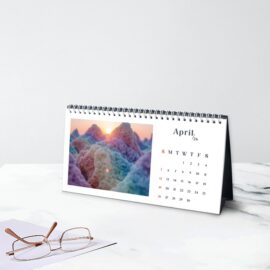
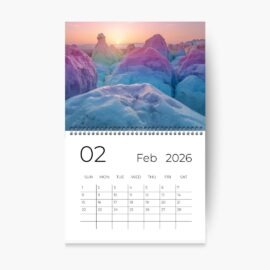
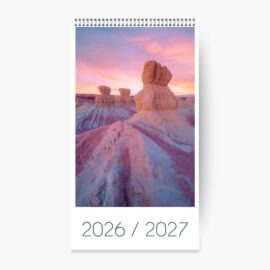
Calendar products have the most predictable demand curve of almost any POD category. Search volume begins climbing in October, peaks sharply in November and December, and drops steeply after January. The critical mistake most sellers make is listing calendars in November when competition is already at its highest. The sellers who win list in August or September, build up review history and search ranking before the peak, and then ride the wave rather than fighting for visibility at the top of it. The Desk Calendar with 13 customizable pages and the Wall Calendar with 14 pages both allow full design control across every month, which means a well-designed calendar with a coherent theme, such as botanical illustrations, travel photography, or motivational quotes, can command a significantly higher price than a generic template.
Pet apparel is a smaller volume category than human apparel, but the buyer who shops for custom dog clothing has an unusually high willingness to spend and a strong emotional connection to the purchase. The Doggie Skins Fleece Hoodie and Doggie Tank are most effective when positioned as matching sets with human apparel, such as a matching owner-and-dog hoodie design, which is a consistently viral concept on social media. A store built around the “matching human and pet” concept can cross-sell human sweatshirts, tote bags, and phone cases alongside the dog apparel, turning a niche product into the anchor of a broader lifestyle brand.
The overlap is minimal because the use cases are fundamentally different. Floor Decals are primarily a commercial and event product, used for wayfinding, branded floor graphics in retail spaces, event signage, and promotional installations. Wall Decals are primarily a home decor and children’s room product, used for removable art, quotes, and decorative elements. A seller targeting event planners, small businesses, or pop-up shops should lead with floor decals. A seller targeting home decor buyers, nursery designers, or parents decorating kids’ rooms should lead with wall decals. The size range on floor decals specifically suggests they are built for commercial-scale applications rather than personal use.
Custom wrapping paper has been growing steadily as buyers shift from generic store-bought rolls toward personalized gifting experiences where the presentation is part of the gift itself. The trend is driven by social media unboxing culture, where the wrapping is photographed and shared before the gift is even opened. Demand is not purely seasonal, though it spikes heavily around the winter holidays. Wedding season, baby showers, birthdays, and corporate gifting all generate consistent year-round demand. The strongest positioning angle is not “custom wrapping paper” but “wrapping paper that matches the gift,” targeting buyers who are already spending on a premium gift and want the entire experience to feel intentional.
The sticker market is saturated at the generic level but wide open at the specific niche level. A seller listing “cute stickers” competes with hundreds of thousands of listings. A seller listing “stickers for left-handed people,” “vintage botanical sticker packs for journaling,” or “dark humor stickers for nurses” competes with almost nobody. The Kiss Cut Stickers with nine pack options allow a seller to offer single stickers as entry-level products and curated packs as higher-value bundles, which is a proven upsell structure. The key insight is that sticker buyers are collectors who return repeatedly for new designs, which means a well-niched sticker store has a higher repeat purchase rate than almost any other POD category.
Scale confidently without the cost or complexity


